How to Identify & Administer First Aid for an Electric Shock

Injuries from electric shock are common and can range from superficial to severe. In some cases, first aid for an electric shock may only require a bandage or a quick check-up; however, in other cases, the victim may need emergency care. Read on to learn more about common causes of electric shocks, their effect on the body, and how to administer first aid for an electric shock.

5 min read

The Side Effects of Resuscitation: What Are the Risks of CPR?

CPR is an invaluable tool in every medical professional’s arsenal. However, like many medical procedures, CPR has its risks, and the side effects of resuscitation can affect both the giver and the receiver. Here’s what to know about the side effects of resuscitation and the risks of CPR.

4 min read

Wilderness First Aid: How to Handle Emergencies in Remote Areas

If you enjoy wilderness activities like hiking, camping, climbing, and so on, then you likely have a basic understanding of the dangers involved. But no matter your experience level, emergencies can happen anywhere, at any time. So knowing basic wilderness first aid is essential. Read on to learn more about administering wilderness first aid, from preparing in advance to responding to accidental injuries.

22 min read

Overcoming Class Minimums for Group CPR Training

We’re no strangers to the idea of needing a certain number of students to meet class minimums. Fortunately, ProTrainings has found unique approaches to solve this challenge facing so many different industries.

Read on to learn how to overcome group CPR training class minimums through staff training, hybrid online solutions, and by bringing extra value to your employees.

4 min read

How to Use an AED

When a person collapses, has no pulse, and isn’t breathing, most people’s first instinct is to step in and provide CPR. CPR is certainly a great start and an effective life-saving skill, but informing yourself of other measures, like how to use an AED, can increase a victim’s chances of survival even more. But many people misunderstand how to use an AED and are unsure of what, exactly, it’s intended to do. Read on for everything you should know about using an AED to save a life.

11 min read

Top 9 Choked-On Food Items

While choking is mostly common among the elderly, choking can happen to anyone at any time, including young children. This makes it imperative that you be aware of the top choked-on food items, how to prevent choking, and what to do if somebody is choking.

6 min read

Important Symptoms & Signs of Cardiac Arrest

When considering the signs of cardiac arrest, most people think of a person suddenly collapsing, falling unconscious and unresponsive. Read on to learn what cardiac arrest is, eight signs of cardiac arrest, what to do when someone experiences an emergency, and some tips that can help prevent cardiac arrest.

10 min read

What Are the Symptoms of a Concussion & How Do You Treat One?

Concussions — a form of injury to the brain — are common and are usually not life threatening, though their symptoms can sometimes be serious or lead to more serious conditions. But what are the symptoms of a concussion, and how should you treat one? Here’s what you need to know about recognizing and treating concussion symptoms and preventing future head injuries.

10 min read

4 Ways to Future-Proof Your Group CPR Training Program

Overseeing a group CPR training program is a lot for one person to handle, but many organizations only have one person in charge of running the program, tracking certifications, and conducting classes. A big problem emerges when that person leaves the organization and someone else needs to pick up where they left off. Here are four ways to keep your group CPR training program running smoothly and effectively, even if the team member in charge leaves.

5 min read

How to Avoid Cardiac Arrest: Why So Few People Survive Out of Hospital

‘Heart attack‘ is one of the scariest terms in the English language, and rightly so. Cardiac arrest statistics in 2022 revealed that 356,000 people in the United States experience cardiac arrest a year, or nearly 1,000 per day. Close to 90% of these cases are fatal, and those who survive can experience permant loss of health.

Those are some sobering numbers! Because heart attacks are so often fatal, even when treated, it’s essential that healthcare professionals understand how to avoid cardiac arrest and recognize those most at risk. To do this, we first need to know what cardiac arrest is and what causes it.

6 min read

15 First Aid Tips & Life Hacks

Many people outside of healthcare believe that first aid skills are out of their reach, and we couldn’t disagree more. First aid awareness is a key skill for all people, no matter the age or profession.

Read on to learn more about what qualifies as first aid, as well as 15 of our favorite first aid tips and life hacks.

6 min read

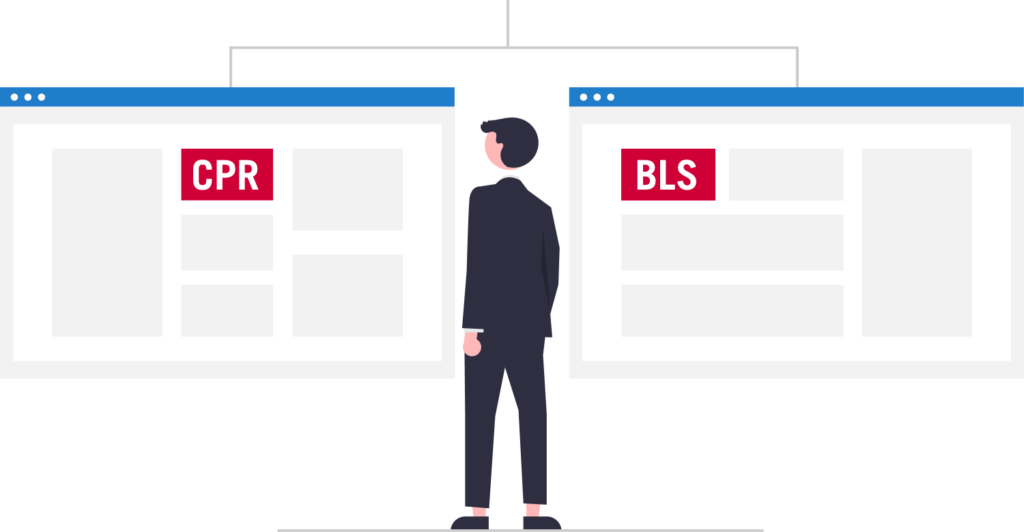
BLS vs CPR: A Buying Guide

When it comes to lifesaving training, there’s no shortage of options for medical professionals and those who want to be prepared for an emergency. However, with many different certifications available, the differences between BLS vs CPR training can be blurred.
Read on to learn more about the differences between BLS vs CPR certification and common questions about these courses.

4 min read