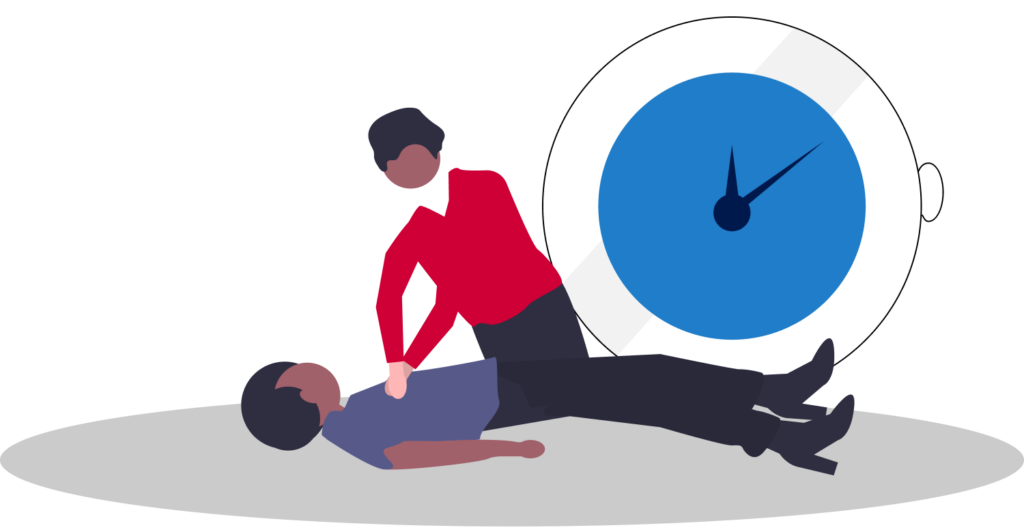
Here we look at examples of how long CPR has taken to work in real-life cases, and what you should do when CPR doesn’t appear to be working and after four minutes of rescue breathing, no pulse can be found.


Author
Roy Shaw is a Nationally Registered EMT-Paramedic (NREMT-P) and the lead trainer and co-founder of ProTrainings. He spent over a decade on the ambulance before turning his focus to training, and has since trained tens of thousands of healthcare professionals, first responders, and lay rescuers. Roy authored ProTrainings’ CPR, First Aid, ACLS, PALS, and Bloodborne Pathogens curriculum, which is built to follow the same Emergency Cardiovascular Care guidelines (ECC/ILCOR) used by the American Heart Association and American Red Cross.
Roy reviews ProTrainings’ clinical content for accuracy against current ECC/ILCOR guidelines.
Here we look at examples of how long CPR has taken to work in real-life cases, and what you should do when CPR doesn’t appear to be working and after four minutes of rescue breathing, no pulse can be found.
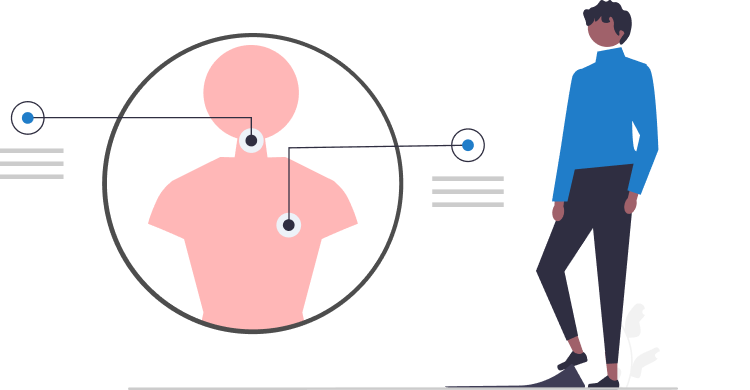
Finding the best CPR manikins is an often overlooked step in planning CPR training. If you or your company are tasked with selecting a suitable stand-in for training, do you know what to look for?
Read on to learn what to look for when selecting the best CPR manikins and how these tools ensure your skills can be relied on in an emergency.

According to the American Heart Association (AHA), a person’s chances of surviving cardiac arrest decreases by 10% for every minute of delay in starting CPR. This means that it’s crucial to know not only what happens during CPR, but also how to properly administer it, as well as the warning signs of when CPR might be needed.
This minute-by-minute guide explains exactly what happens during CPR and how the body is affected in the first few minutes after experiencing cardiac arrest.

Mouth-to-mouth rescue breathing is an essential tool in first aid that involves blowing air into a patient’s lungs when their respiratory system is not working. But while rescue breathing is most often associated with CPR, it’s not always used during resuscitation. People often ask, “What is the indication for mouth-to-mouth rescue breaths as opposed to hands-only CPR?” To perform mouth-to-mouth breathing effectively, you need to know which situations require it and which don’t. So, what is the indication for mouth-to-mouth rescue breaths during CPR, and when should you use other CPR methods? Read on to find out.

Most of us know about the Heimlich maneuver and understand the basics of performing it in the event that someone is choking. But what about our canine family members? Do you know what to do if your dog is choking? Read on to learn what to do if your dog is choking, including recognizing and avoiding common choking hazards, performing a modified Heimlich, and the steps to take after the rescue.
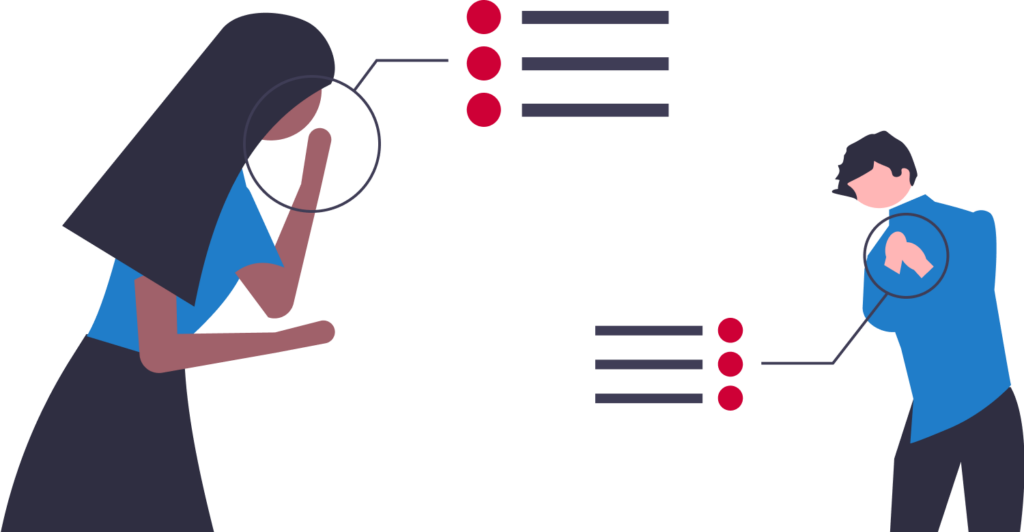
Dry drowning happens when a person experiences respiratory impairment and the effects of that event. As the person attempts to gasp for life-saving breaths to stave off drowning, the risks for long-term injury rise with every minute. Being able to recognize the signs of dry drowning can help save a life when it matters most. Read on to learn how to spot the signs of dry drowning and what to do to prevent it from happening.

Knowing how to perform CPR and actually performing CPR are very different but equally important. That’s why we recommend a blend of online learning and hands-on practice for effective CPR training. And if your CPR training includes a hands-on component, you’ll need a CPR dummy or manikin for students to practice on. Here’s what you need to know about CPR manikins and how to choose the right CPR dummy or manikin for your CPR training.
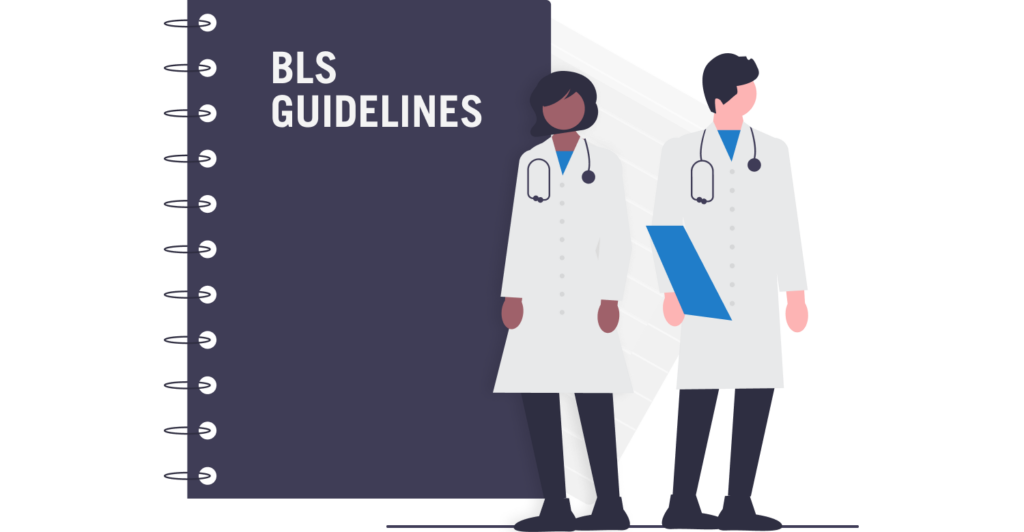
If you hold a BLS certificate, you will want to keep up to date with the latest guidelines. Updates are issued by the American Heart Association, and anyone who holds a BLS card or provides BLS training should abide by these BLS guideline updates.

I believe that anyone can learn to perform CPR and save lives in an emergency. But how we train people in these essential skills matters, and traditional classroom methods simply aren’t as effective as CPR training needs to be. So here is the story of how ProTrainings came to be and why we are committed to creating a better way to learn lifesaving skills.

Can a person do dog CPR? Luckily for our four-legged friends, the answer is yes! You can do CPR on pets. While this life-saving technique looks a little different, it is no less valuable.
Read on to learn when to do dog CPR, how to position the animal, and steps needed to effectively perform CPR.

A person who is drowning is in extreme danger and must be rescued immediately. However, the signs of drowning aren’t as obvious as you might think, and all too often people who attempt to rescue a drowning victim end up becoming victims themselves in the process. Read on to learn how to recognize the signs that someone is drowning and how to rescue a drowning victim without endangering yourself or others.
Despite what you may have been led to believe by TV shows like ER and Grey’s Anatomy, CPR success rates have never been high. Among the many reasons for low success rates are the facts that heart attacks are deadly and that, sadly, most people who experience cardiac arrests outside of the hospital receive little help from bystanders. Read on to compare today’s CPR success rates with those of the past and learn how CPR has evolved over time.