You hear a gulping sound. You witness your pet hunched over. Then, out comes a mess out of the mouth.
Question: did your dog or cat just vomit? Or was it regurgitation? Yes, this topic is far from appetizing but it’s time to learn the difference so that you can best help your pet.
As we teach in our pet first aid/CPR classes, the more details – and evidence – you can provide to your veterinarian, the better chances that your pet can receive the best – and most-specific – treatment.
What Is Vomiting?
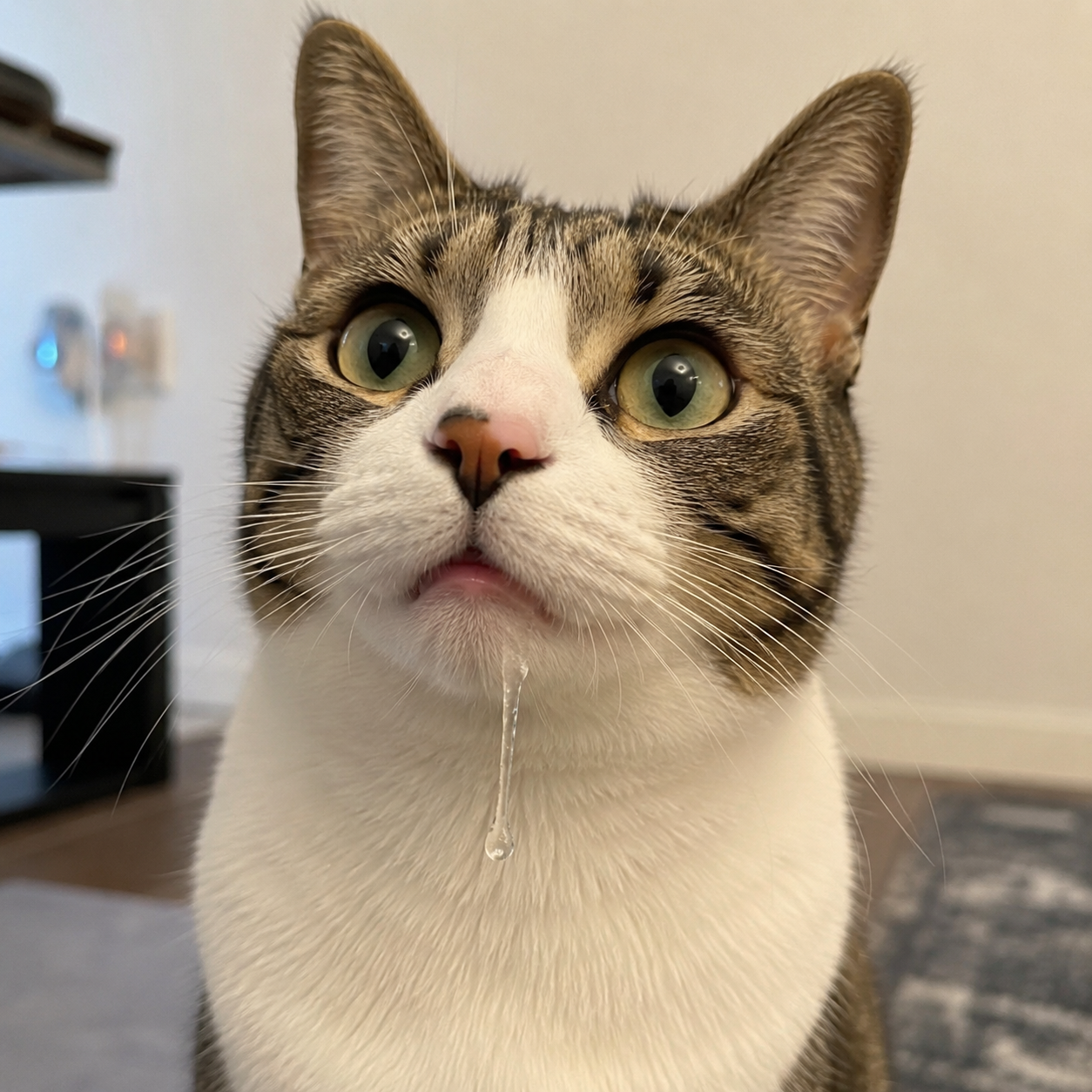
By definition, vomiting is quite active. Your pet definitely gives you plenty of warning signs. They may include:
- Drooling
- Lip licking
- Pacing or restlessness
- Getting into a hunched-over sit or stand
- Visible signs of heaving in the abdominal area
Be aware that vomiting can happen hours after your pet finishes a meal and it can happen any time during the day. As yucky as this is, you do need to inspect the vomit.
Vomit can contain foam, hairballs in cats, gooey fluid, yellow bile and even partially digested kibble or treats.
Causes of Vomiting
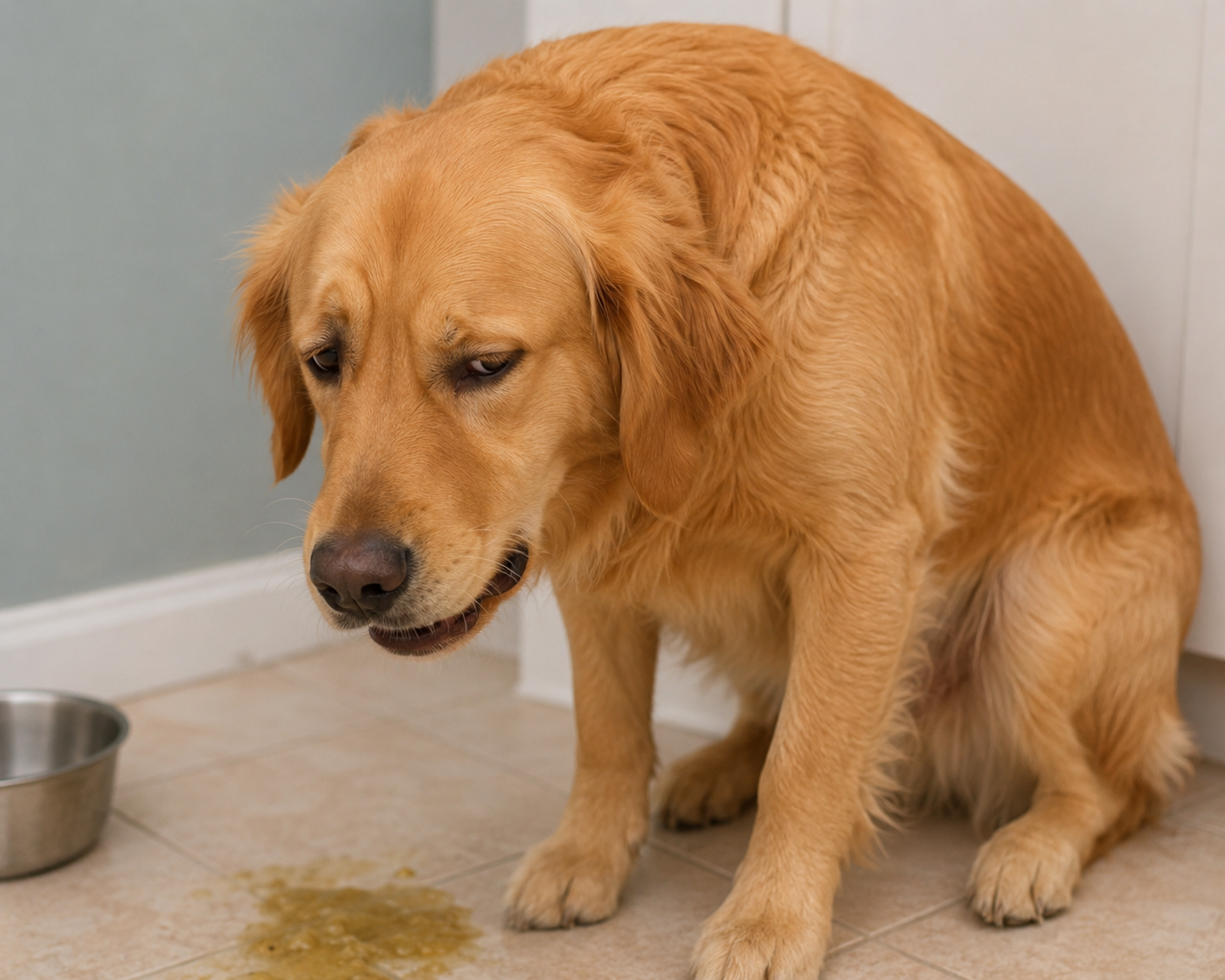
Many actions can trigger a vomiting episode. Among the top contenders are:
- Eating too rapidly
- Drastic changes in what you feed your dog or cat
- Hairballs due to over grooming
- Pesky parasites, including fleas and ticks
- Ingesting poisonous plants
- Medical issues, including gastritis, hyperthyroidism, inflammatory bowel disease and kidney disease.
What Is Regurgitation?
Regurgitation, by definition, involves no retching, no abdominal heaving and comes quietly and quickly with little warning. It tends to occur right after a meal or within a minute or two of swallowing a treat. Unlike vomiting, what comes out of the mouth is from the esophagus because the food has not reached the stomach.
Examining the spewed mass, you may find it can be:
- Undigested food
- Tubular in shape
- Smeared in saliva or mucous
- Void of any sour smell
Causes of Regurgitation
There are many factors that can cause regurgitation in dogs and cats. They include:
- A feeling of stress while eating. One of your pets may feel bullied by another pet while attempting to eat his meal.
- Eating too quickly, causing food to fly out of mouth from the esophagus.
- A medical issue with the esophagus, including inflammation.
- Hair swallowed during eating
- Congenital issues
Your Action Plan
Be your pet’s best health ally. Do this by tapping your pet detective skills. If possible, even record a short video of the event to share with your veterinarian.
Reach out to your veterinarian if you notice that your pet:
- Has blood in the vomit
- Starts to vomit daily or more than once in a day
- Begins to lose weight
- Shows signs of having trouble swallowing
- Regurgitates frequently
- Displays a swollen abdomen
- Is unable to even keep water down
Yes, vomiting and regurgitation are unpleasant, but they are signals that your pet needs help. Do not delay in seeking veterinary help.
Learn more
You can learn more on ways to keep your cats and dogs safe by visiting https://www.protrainings.com/courses/pets. Consider taking our veterinarian-approved online pet first aid/CPR course. Enter this code: CPR – ARDEN MOORE and receive a 10 percent discount! And, if you are interested in becoming a Pro Pet Hero instructor, please click on the BECOME AN INSTRUCTOR button on the home page for more details.