
Coast to coast, the weather this summer has been fierce and challenging. Floods, wildfires,
tornados and scorching temperatures are impacting people and their pets.
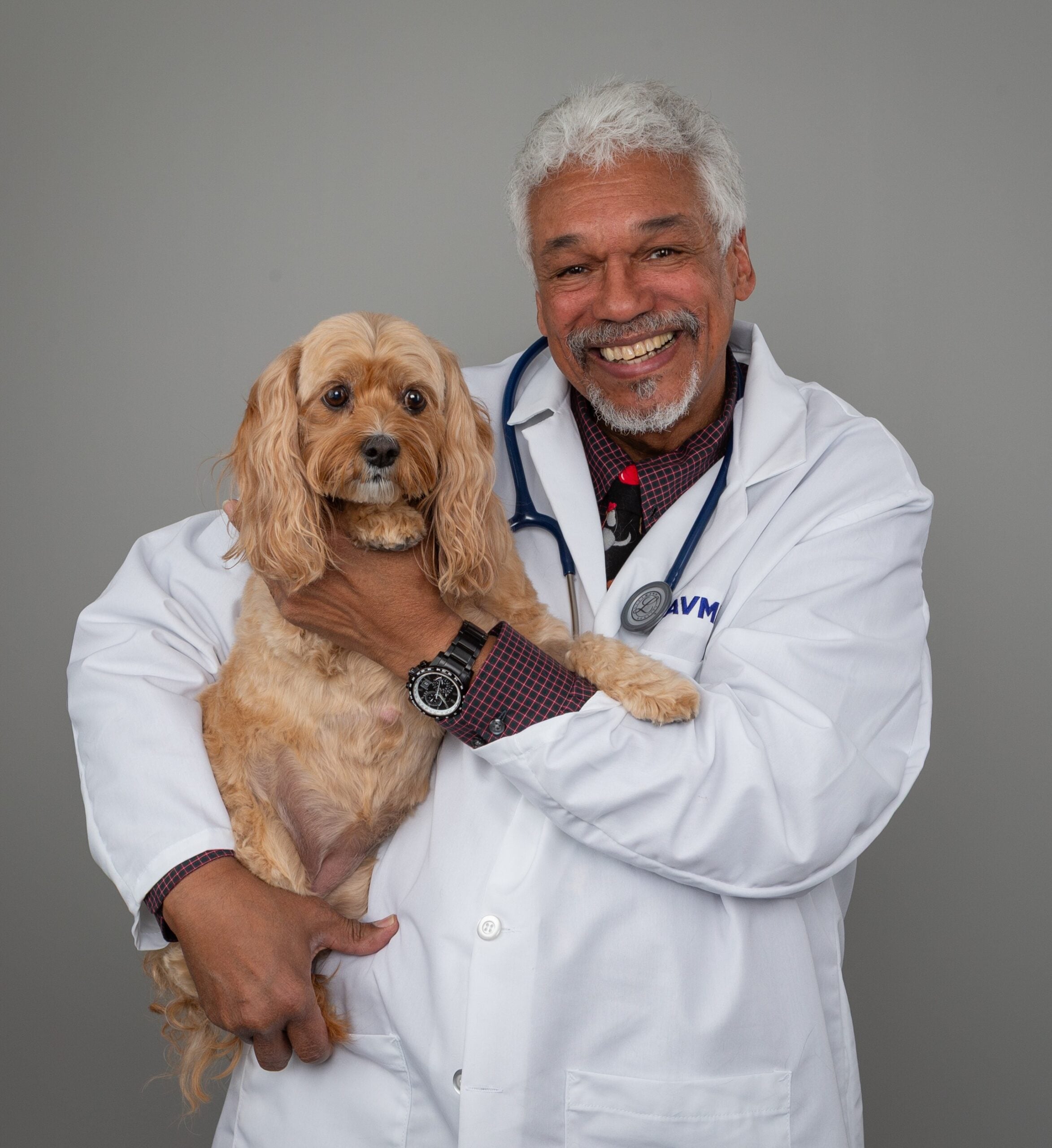
You need a game plan to keep your family, including your pets, safe. That’s why I reached out to
the president of the American Veterinary Medical Association for identify weather safety tips
and advice. Dr. Michael Q. Bailey is the president of the world’s largest veterinary association
that represents more than 111,000 member veterinarians practicing in every state plus more than
60 countries.
Prepare Before Disaster Strikes
No matter the weather disaster, Dr. Bailey urges you:
- Ensure your pet has identification on his collar and a traceable microchip to your current contact information.
- Prepare a go bag in advance and place it in a location in your home you can grab quickly. This bag should include your pet’s food, medications, bottled water and bedding.
- Identify where you and your pet can go should you need to evacuate. Make sure your family or hotels or other places out of the weather danger zone will accept your pet.
“When you evacuate, do not leave your pets behind,” he says. “Take them with you. Identify
before hand where you can go.”
Dealing with Floods
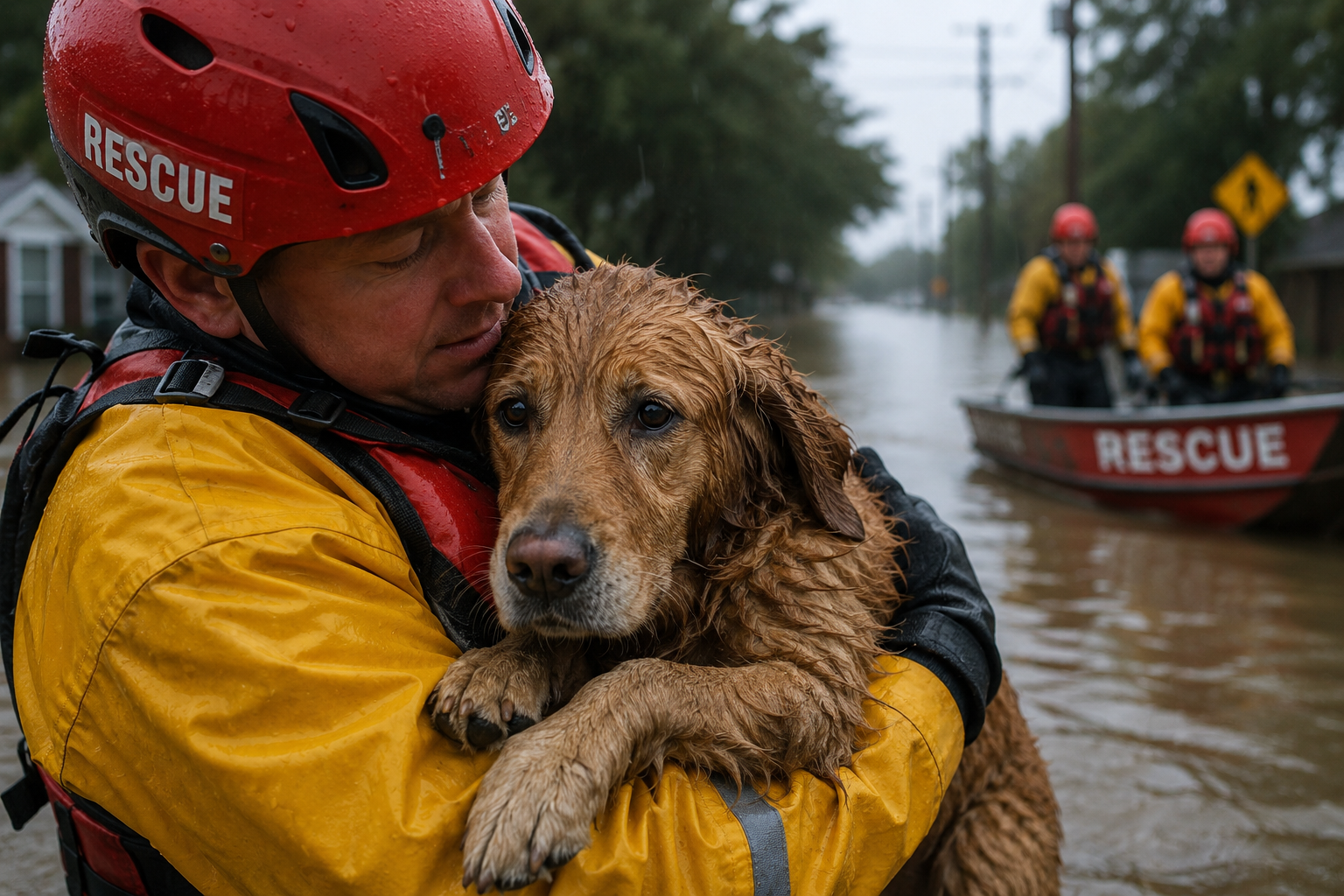
Recognize that flood water is highly contaminated and prevent your pet from drinking flood
water.
“The contamination in that water could be microbiological, chemical or even farm debris
contamination that can make your pet become very sick,” he says. “Giardia as well as other
bacterial and parasitic infections plus debris can be in those flood waters. Thoroughly rinse your
pet with clean water and towel dry.”
Fending Off Fires
The smoke from wildfires and house fires can cause toxic chemicals that can trigger respiratory
issues, making it hard for your pet to breathe. Coats and paws can be burned by hot cinders.
“Take your pets out for short periods of time and be sure to clean their mouths, noses and fur
because you don’t want them licking anything off their paws or coats from the smoky air,” says
Dr. Bailey.
Keeping Pets Cool in Hot Weather
“Pets have sweat pores in their noses, but not on their bodies like we do,” says Dr. Bailey. “Make
sure that the asphalt, concrete or sand at the beach is not too hot for them to walk on ahead of
time.”
Recognize the signs of heat exhaustion that can lead to heat stroke: rapid breathing, drooling
excessively and gums turning pale.
“Get your pet to air conditioning or in front of a pet-safe fan,” he advises. “You can apply cool
compresses on their feet to help draw heat out of their paw pads but never apply ice packs as the
cold can cause blood vessels to constrict. That can prevent blood from going into vital organs.”
Do not leave pets inside cars even with the air conditioning running to pick up a few items in a
store on hot days.
“Modern cars have timers on them and in minutes, the car will turn off,” warns Dr. Bailey.
“Those cars can heat up to 100 degrees in a matter of minutes.”
Bottom line: prepare now for a weather disaster to protect you and your pets.
Learn More
You can learn more on ways to keep your cats and dogs safe by visiting
https://www.protrainings.com/courses/pets. Consider taking our veterinarian-approved online pet
first aid/CPR course. Enter this code: CPR – ARDEN MOORE and receive a 10 percent
discount! And, if you are interested in becoming a Pro Pet Hero instructor, please click on the
BECOME AN INSTRUCTOR button on the home page for more details.